IMO: CTU Code ↗
A non-mandatory global code of practice addressing packing, securing and handling across the transport chain. Ask the appointed parties to apply the appropriate requirements to the actual shipment.

KUCI Gallery / planning guides
Bring the ready-to-ship list, package dimensions, weights and site receiving plan together before booking. Treat a mixed-material container as a coordinated handover between suppliers, packers, logistics parties and the receiving team.
Share Your Shipping List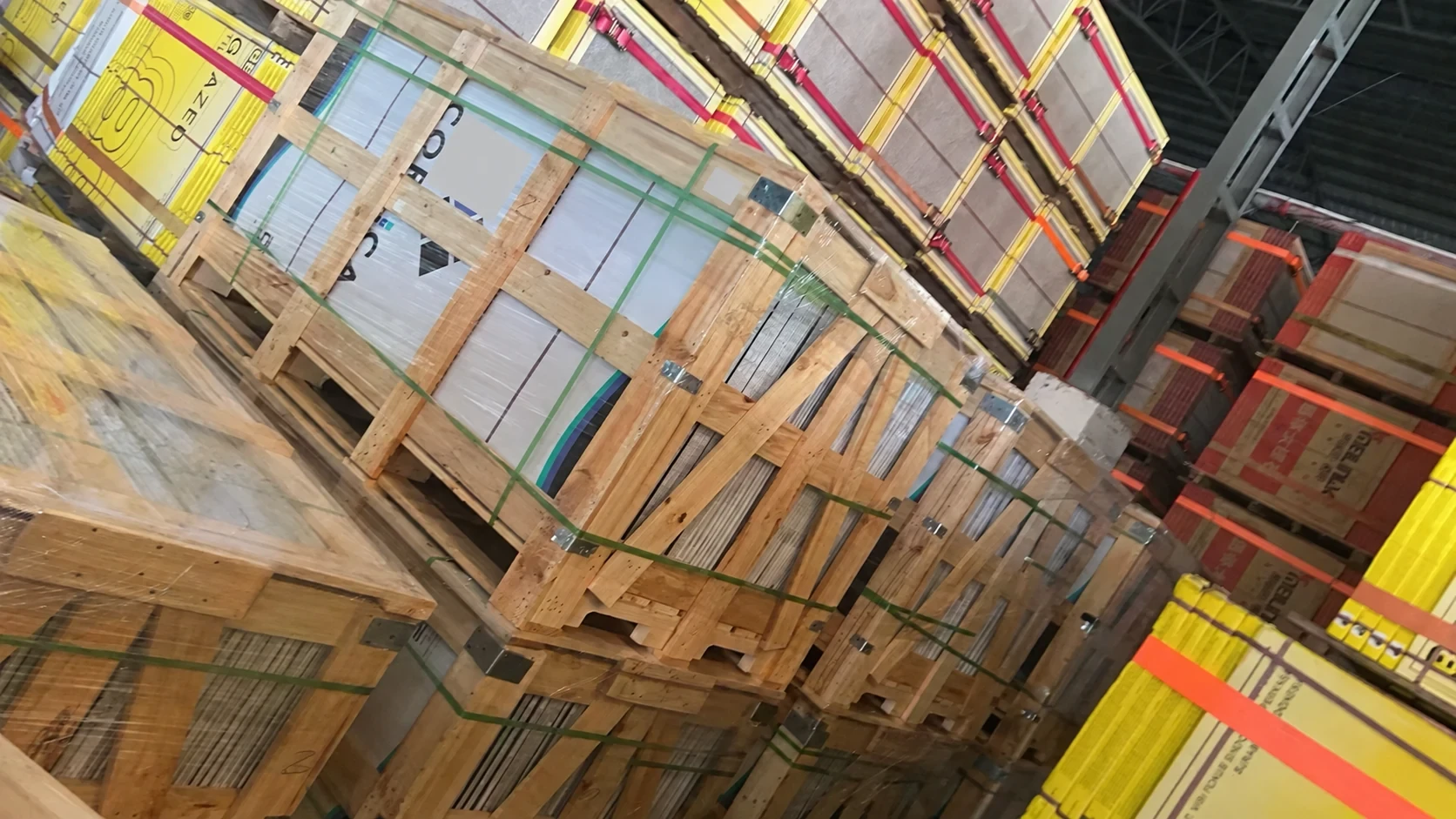
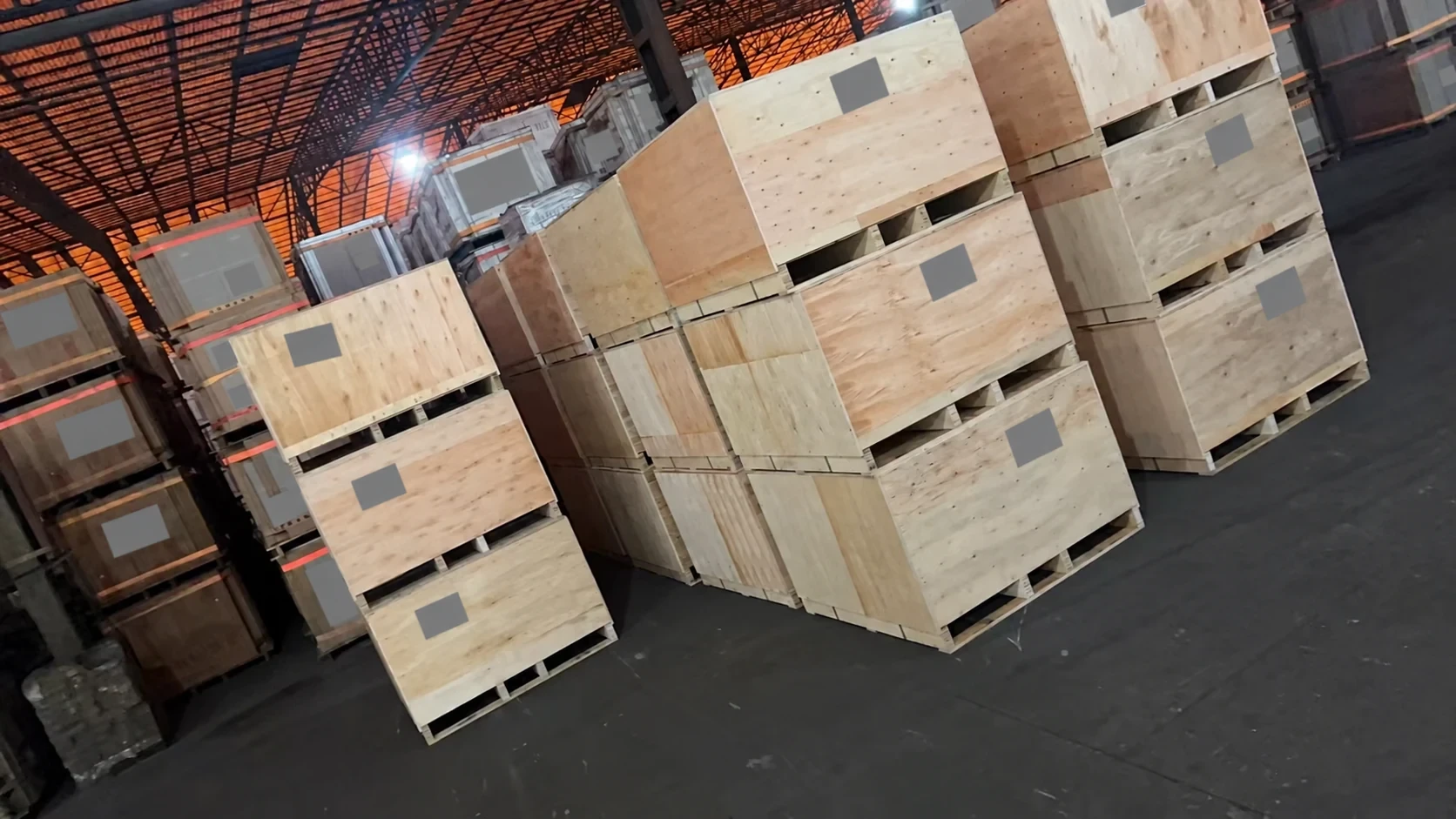
Visible details / separate package types
Open frames support large items; closed crates add surrounding protection. Match the packing method to the product, handling points and receiving conditions.
| Material to discuss | Packing details to verify |
|---|---|
| Tiles | Carton and pallet counts, packed gross mass, edge protection and suitable lifting. |
| Stone / large surfaces | Support frame, permitted orientation, lifting points and protection of faces and edges. |
| Doors / windows | Frame restraint, glass separation, fittings protection and opening IDs. |
| Cabinetry | Assembled or flat-pack format, corners and finishes, cabinet IDs and matching hardware cartons. |
Mixed load / conceptual diagram
Plan cargo positions around gross mass, package strength, restraint, container limits and safe unloading.
Ask the packer to identify load-bearing packages and prohibited stacking. Plan restraints, blocking and separation so glass, ceramic surfaces and finished panels cannot rub or carry unintended loads. Reserve safe access for securing and receiving operations.
Mixed-load calculation
| Invented package group | Volume calculation | Illustrative gross mass |
|---|---|---|
| 4 cabinet crates | 4 × 1.20 × 0.80 × 1.00 m = 3.84 m³ | 4 × 120 kg = 480 kg |
| 2 tile pallets | 2 × 1.20 × 0.80 × 0.80 m = 1.536 m³ | 2 × 900 kg = 1,800 kg |
| 1 window crate | 1 × 2.20 × 0.60 × 1.60 m = 2.112 m³ | 1 × 250 kg = 250 kg |
| 6 sanitary cartons | 6 × 0.80 × 0.50 × 0.60 m = 1.44 m³ | 6 × 35 kg = 210 kg |
| Example total | 13 packages / 8.928 m³ | 2,740 kg gross cargo mass |
Calculation example · allow separately for dunnage, voids, restraint, non-stackable cargo and door clearance. Check container limits and verified gross mass with the appointed packing and transport team.
Use the same revision for the freight request, packing review and receiving list. Do not estimate final weights or outside dimensions from a product photograph.
| Identity and contents | Package ID, supplier, material category, item or room IDs, quantity and packing-list revision. |
|---|---|
| Dimensions and weight | Outside length × width × height with units; package count and gross weight per package or a clearly marked group total. |
| Handling | Orientation, lifting points, stackability and limits, fragile faces, lifting equipment and any restrictions confirmed by the packer. |
| Readiness and documents | Availability date, inspection status, release owner and outstanding shipment or packaging documents. |
| Delivery and storage | Destination, vehicle access, unloading arrangement, storage conditions, arrival sequence and receiving contact handled privately. |
Staged material release
Compare a combined release with separate shipments for ready and delayed materials.
Drawing revision and packing data received; release still requires approval.
Required model documents remain unresolved; keep the item out of an approved release list.
Compare actual extra handling, storage, freight and site sequence with the appointed parties.
Before loading
Send the destination, project stage, material schedule and open questions. Scope, documents, samples, cost and timing remain subject to confirmation.
Share Your Shipping List