Plan the consolidation
Review the product mix, supplier readiness and whether orders should be grouped or dispatched in stages.
Working towardsAn agreed consolidation and timing plan.

SHIPPING & LOGISTICS
We coordinate packing, consolidation and shipping for materials sourced through KUCI, with the destination, timing and delivery scope agreed before dispatch.
KUCI / How we support your project
KUCI’s procurement support includes coordination of quality checks, consolidation, loading and export documentation. Discuss the shipment as part of the material plan so packing and destination requirements are considered before dispatch.
Review the product mix, supplier readiness and whether orders should be grouped or dispatched in stages.
Working towardsAn agreed consolidation and timing plan.
Discuss product protection, package identification and the checks needed before goods are loaded.
Working towardsPacking and loading arrangements for the agreed scope.
Coordinate shipping documents and delivery information with the parties responsible for freight and receiving.
Working towardsAn export and receiving handover to review.
Confirm freight terms, insurance, customs clearance, duties, unloading and final delivery responsibilities in the quotation. These are not automatically included in every product order.
Plan the procurement handovers ↗Stone, cabinetry, furniture and glass need different packing arrangements. We coordinate the requirements with suppliers based on the products, their dimensions and the agreed shipping method.
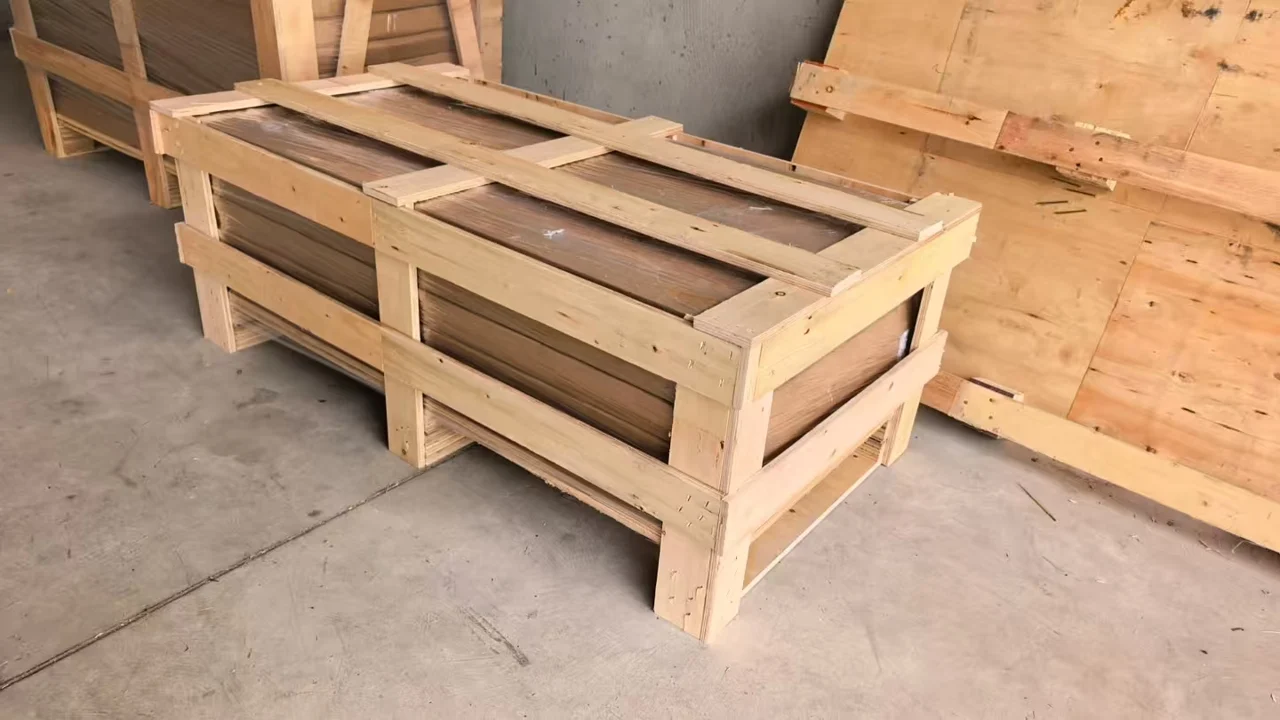
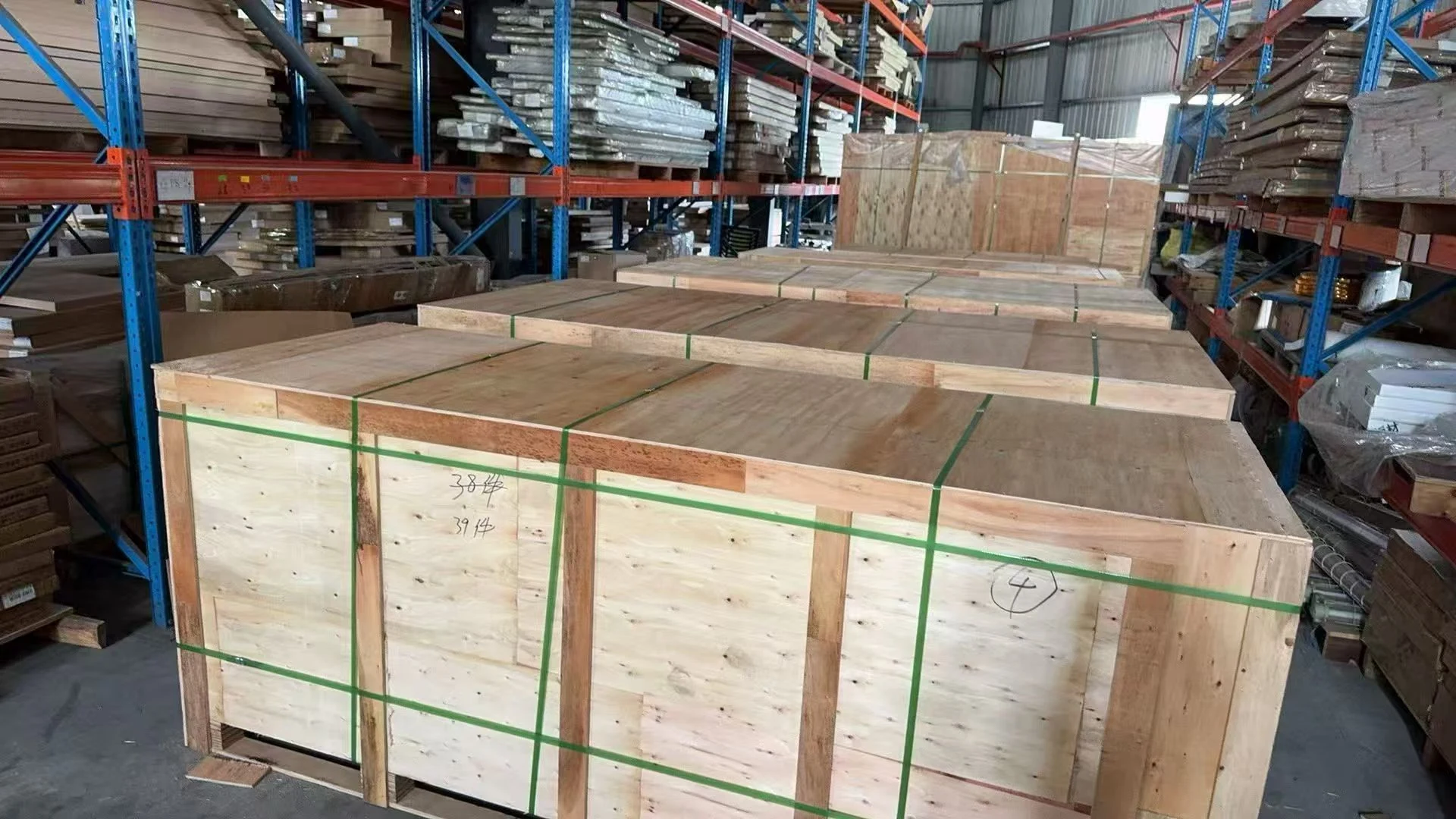
Review the protection needed for exposed finishes, corners and other vulnerable parts.
Confirm the packing format for the products and how they will be handled during transport.
Keep product references and packing information aligned with the order for collection, loading and receiving.
Different products may be ready at different times. We coordinate readiness and collection so the shipment can be planned around the agreed schedule.
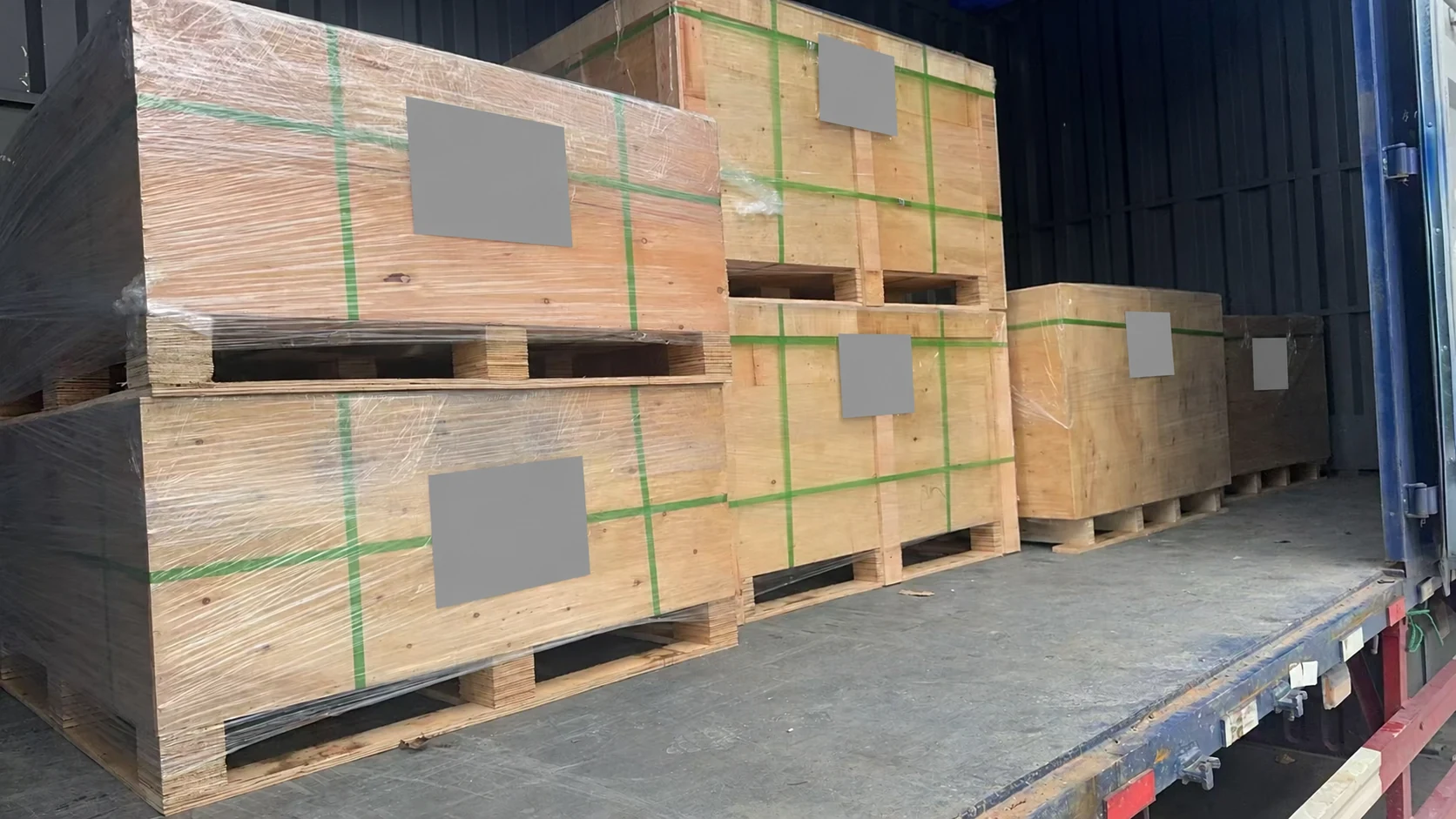
Where a combined shipment is practical, products can be brought together before dispatch. Items that need separate or staged shipments are reviewed with you in advance.
Confirm which products are ready, review the packing information and agree on the collection or loading arrangements.
Coordinate the shipment details and documentation for the agreed transport arrangements.
United States & Australia
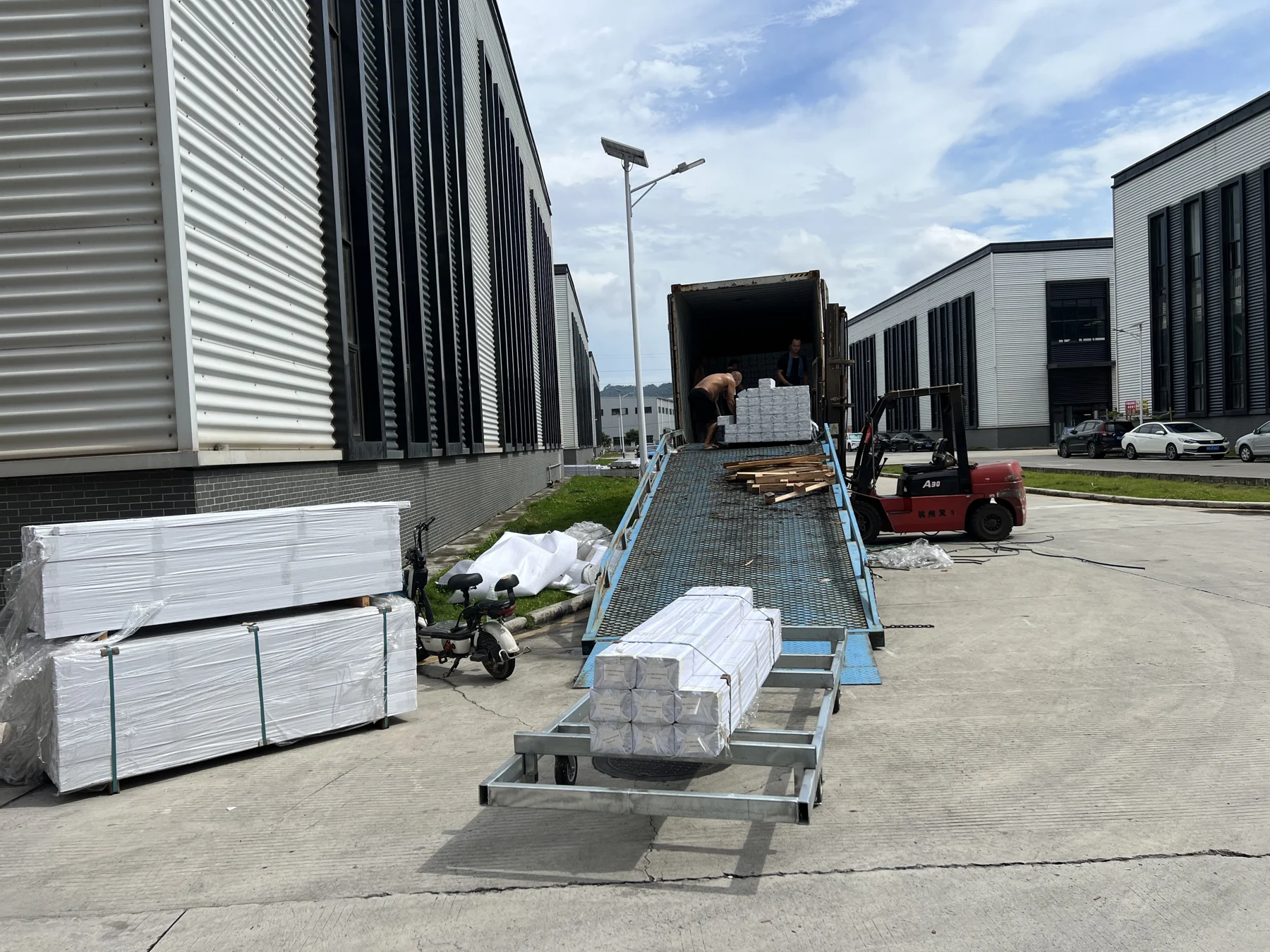
Two views from the US and Australian dispatch archives show different packing formats: wrapped lengths and palletised packages. They record preparation and loading; delivery scope is agreed separately for each order.
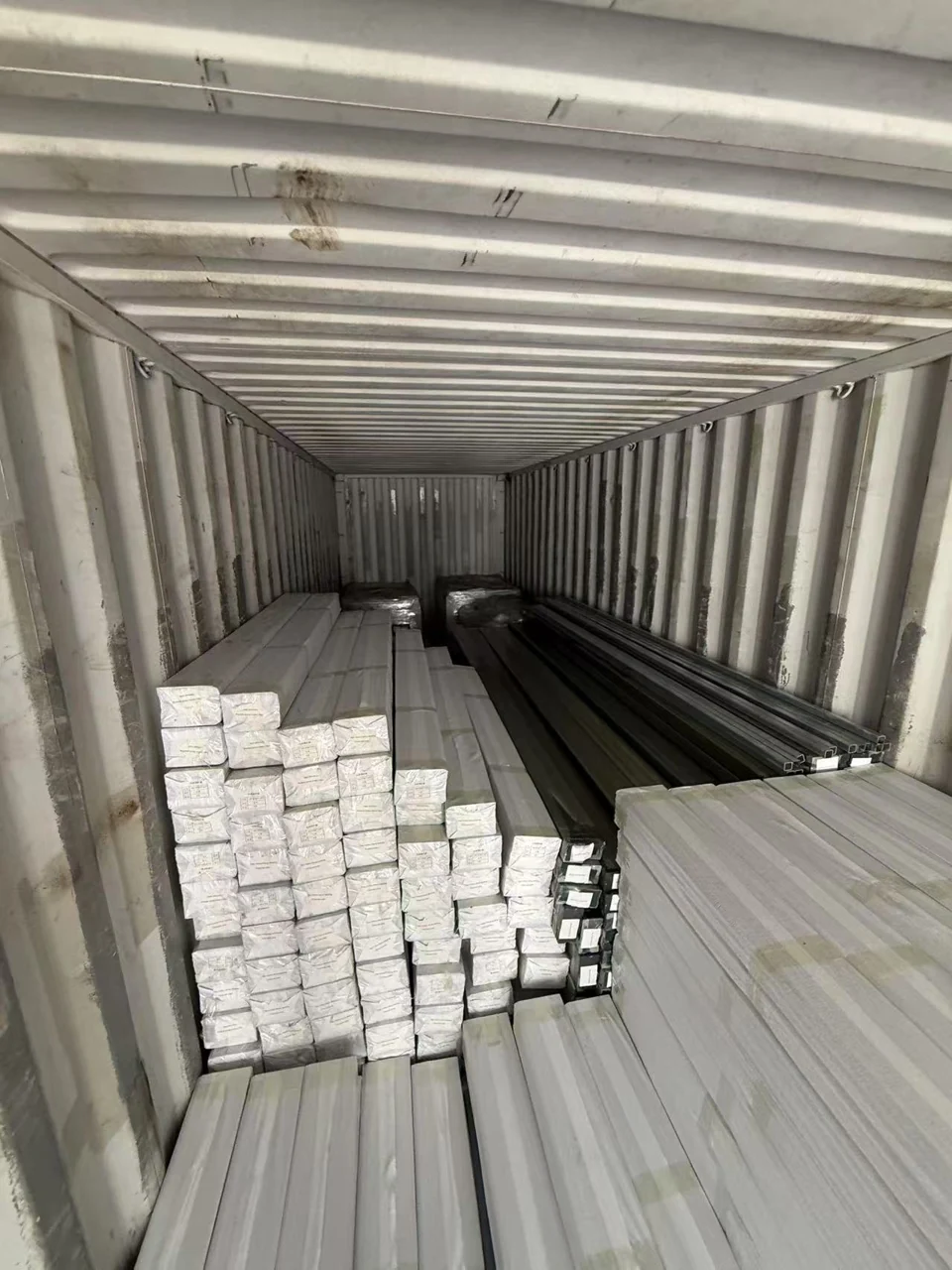
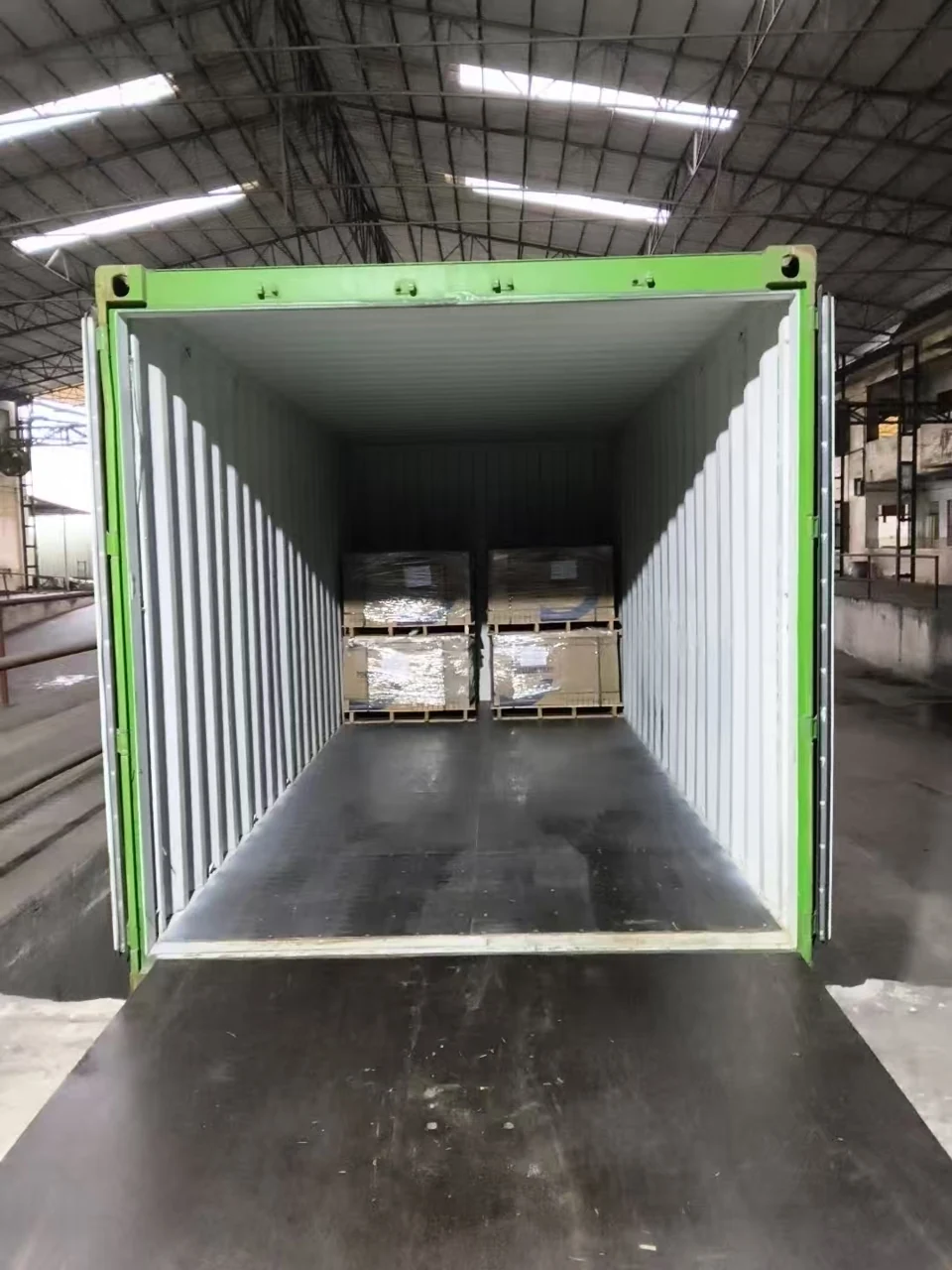
Confirm the project state, product schedule, packing dimensions and receiving access. Request the documents required for your selected products before confirming the order.
Match the selected model with its current documents and product schedule. Confirm collection, consolidation and destination handling as part of the shipment brief.
Keep packing references, loading photographs and the agreed delivery scope together. Loading photographs show the dispatch stage; they do not record arrival or installation.
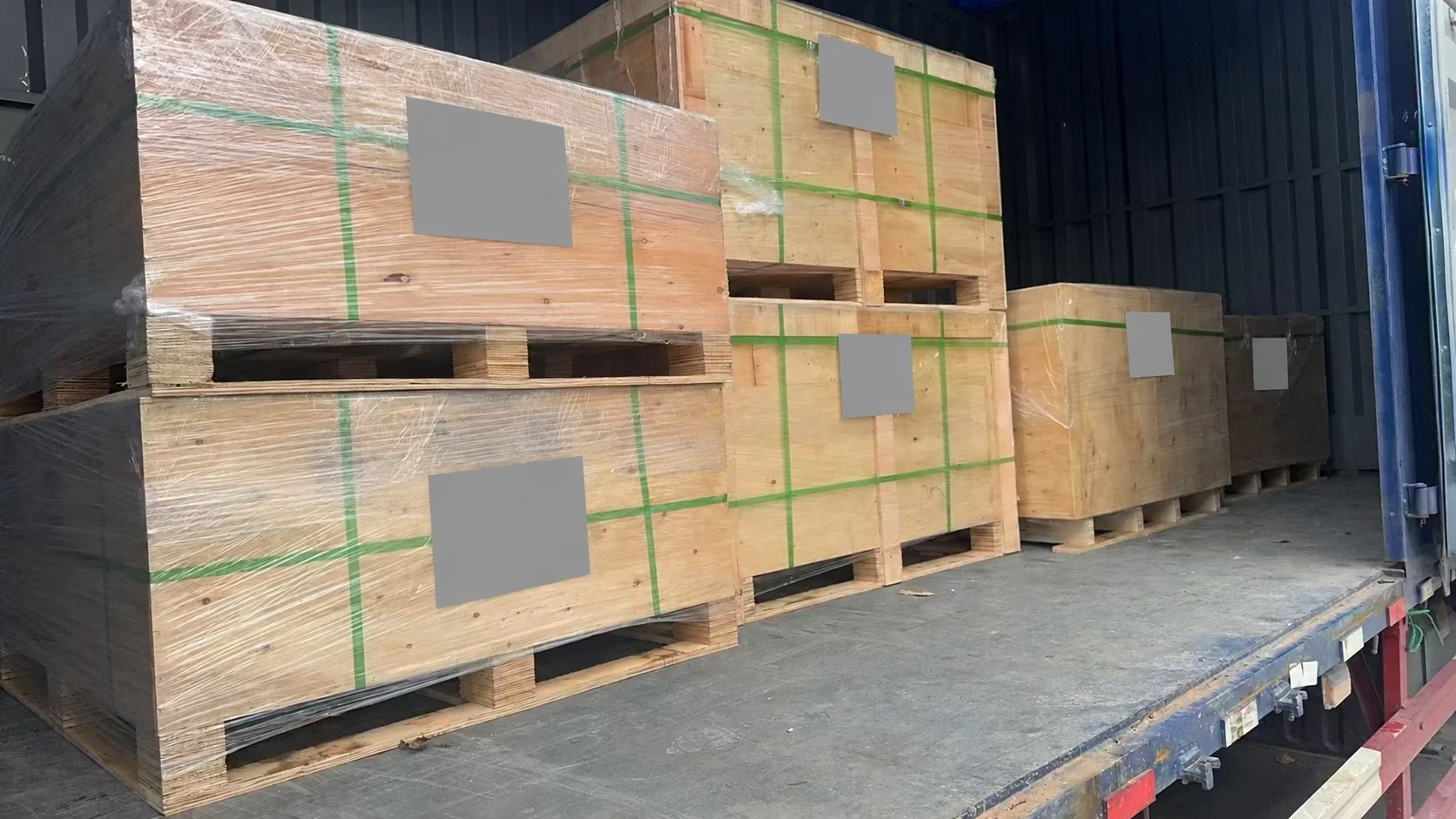
Your quotation should make the delivery scope clear. Review these items with us before the shipment is booked.
We review the product mix, packing dimensions and readiness dates before planning a combined shipment. Some orders may need separate or staged shipments.
Share the destination country, city and delivery address. We’ll review the available arrangements and confirm the delivery scope in your quotation.
Tell us at the quotation stage so we can review collection, loading and documentation requirements together.
Timing depends on product readiness, the route and the transport arrangement. We’ll discuss the proposed schedule for your order rather than apply one delivery estimate to every destination.
Please share the product details, supplier locations and packing information first. We’ll review whether they can be included; acceptance and handling arrangements need to be agreed before collection.
START WITH THE DETAILS YOU HAVE
Share the destination, the products and approximate quantities, and when the goods are expected to be ready.
You can start the discussion before you have a confirmed packing volume or container count.