
KUCI / Tiles & Slabs
How to Choose Shower Floor and Outdoor Tiles
Choose shower floor and outdoor tiles by comparing intended use, surface texture, drainage and cleaning. Know what product information to request.
Before you start
- Specify the location and exposure before choosing a surface finish.
- Ask for product-specific suitability and test information; appearance alone is insufficient.
- Coordinate tile selection with the drainage and installation design.
The best tile for a shower floor depends on the exact product, the wet barefoot conditions and the drainage layout. Start with tiles the manufacturer identifies for shower-floor use, then compare texture, size and cleaning needs. A matte finish or porcelain label alone does not establish suitability.
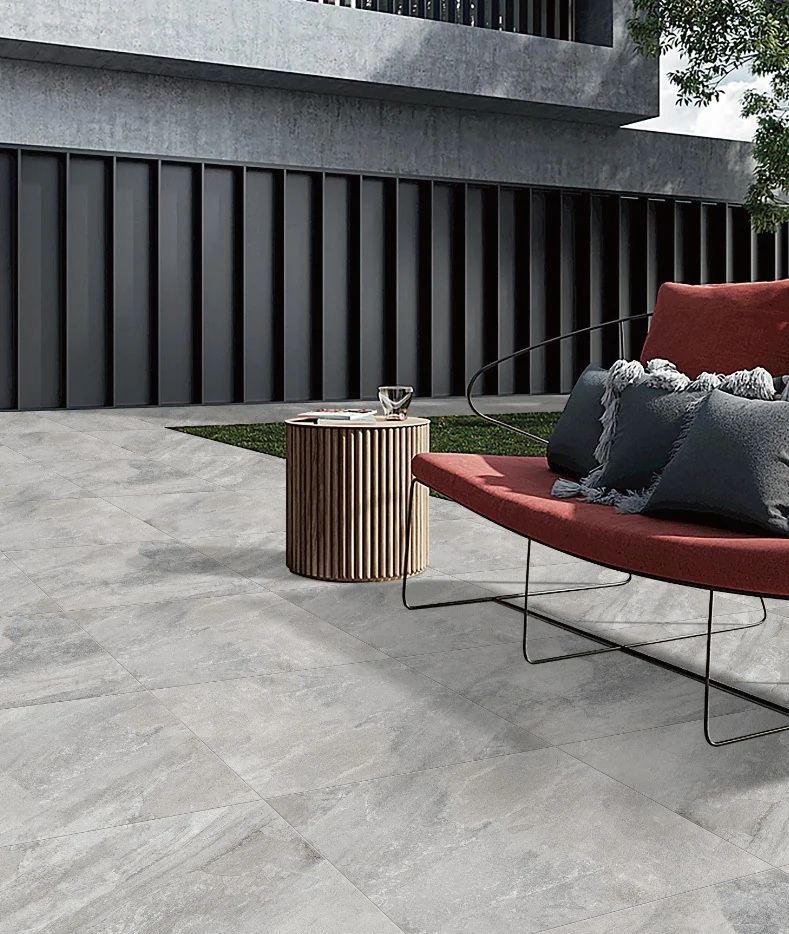
For outdoor tiles, add rain exposure, drainage, cleaning and any freezing conditions to the brief. A patio and a shower may share a colour palette while needing different products. Keep each location and finish on the order schedule.
Describe the location precisely
Identify whether the tile is for a wall or floor, indoors or outdoors, and exposed to rain, standing water, grease or freezing conditions. Note whether people are likely to use the area barefoot or in shoes. Give the designer details of slopes, drainage and cleaning arrangements.
A covered outdoor dining area may still become wet from wind driven rain or washing. A bathroom wall and shower floor may use visually coordinated products with different surface specifications.
Ask for the declared area of use
TCNA explains that porcelain has water absorption of 0.5 percent or less, but low absorption does not automatically establish frost suitability. The manufacturer should confirm the specific product's intended use. See TCNA porcelain guidance.
Request the product code, finish code and relevant technical sheet. Ensure the test information applies to the finish being ordered. A report for a textured version should not be assumed to cover a polished version of the same collection.
Read slip information in context
A friction result helps describe a tested surface under defined conditions. It does not guarantee that nobody will slip. TCNA's explanation of hard surface flooring friction and use classifications emphasizes that DCOF is one factor and that test methods differ.
Ask your project designer which test method and classification are appropriate. Keep the method, conditions and result together when comparing products. Do not convert unrelated ratings into a single informal “anti slip score.”
Coordinate appearance with cleaning and drainage
Obtain physical samples and inspect them under lighting similar to the project. Review surface texture, visible marks and cleaning instructions. An aggressive texture can influence maintenance choices, so involve the people who will clean the space.
The installer should review tile dimensions against the required falls and drain positions. A large tile may need a different cutting arrangement from a small tile to suit the planned floor geometry. Resolve that arrangement before quantities are finalized.
Treat installation materials as part of the specification
Confirm the substrate, waterproofing, adhesive, grout and movement joint details with the project team. Tile choice does not replace a suitable waterproofing or drainage design. Follow the selected system's instructions rather than applying one universal soaking time or site mixed adhesive formula.
Before dispatch, confirm batch references and any agreed spare quantity. Retain spare tiles with their labels so future maintenance can identify the original product.
Are all matte tiles suitable for wet floors?
No. Matte describes appearance. Request the manufacturer's intended use and relevant performance evidence for the actual finish.
Can the same collection be used indoors and outdoors?
Possibly, but verify each proposed product and application. Send the room or landscape plan, exposure conditions and preferred appearance with your inquiry so suitable options can be compared.
A location brief for the tile supplier
- State wall or floor, covered or exposed, and indoor or outdoor use.
- Describe likely water, grease, barefoot use and cleaning conditions.
- Identify any freezing exposure and request suitability for the exact product.
- Send the proposed layout and drainage details to the installer.
- Review a sample under the intended lighting and agree maintenance expectations.
Explore products for your project
Bring the right details to your enquiry
Share your project location, plans and the product decisions you are working through.
Discuss your project ↗