
KUCI / Shipping
CIF vs DDP for Building Material Imports
Compare CIF and DDP by delivery point, risk transfer, import clearance and unloading. Ask the right questions before agreeing a building material shipment.
Before you start
- A named destination does not by itself tell you when risk transfers.
- Request an itemized arrival-cost estimate and an exact delivery location.
- Confirm unloading, access and receiving equipment separately.
CIF and DDP can produce very different quotations for the same building materials. To compare them, identify where the seller delivers under the agreed rule, who arranges transport, and which arrival costs remain for the buyer. The named destination alone does not answer all three questions.
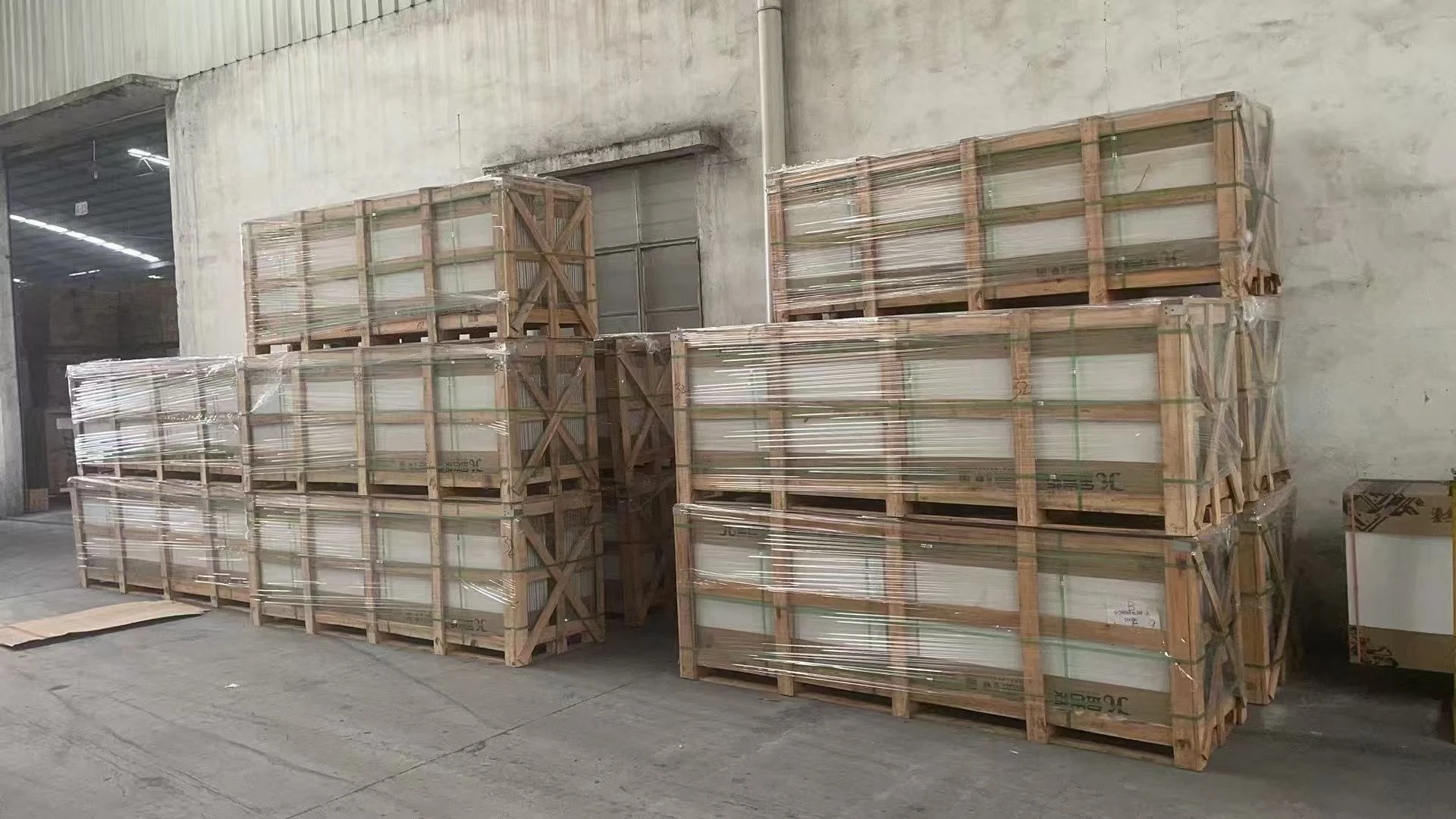
A tile shipment arriving at a port is also different from a shipment available at a construction site. Your budget needs to account for the work between those points, including receiving arrangements for heavy or fragile goods.
Understand the difference between freight cost and risk
Under CIF, the seller arranges and pays freight and the required insurance to the named destination port, while risk transfers when the goods are loaded aboard the vessel at the shipment port. Under DDP, delivery and risk transfer occur at the named destination with goods ready for unloading; the seller handles import clearance and the applicable duties. Unloading responsibility and any unloading charges included in the carriage contract still need attention. These distinctions are explained in ICC Academy guidance on C and D rules.
Incoterms allocate defined responsibilities, costs and risks. Record the chosen rule, precise named place and edition in the contract, and separately agree payment, product acceptance and warranty terms. See the ICC introduction to Incoterms 2020.
Ask for an arrival cost breakdown
For a CIF quotation, ask your forwarder or broker to identify the destination costs you must budget. Request a written explanation of port handling, clearance, taxes, storage exposure and onward transport as applicable to the shipment. The amount depends on the route, goods and local arrangements.
For a DDP quotation, verify who will perform the import formalities and how the seller will deliver to the exact address. A remote site, restricted road or delivery requiring a crane may need arrangements beyond a normal truck delivery.
Check insurance against the cargo
Ask for the proposed insurance wording, insured value, deductible, exclusions and claims procedure. Tile, glass and stone shipments need particular attention to packing and damage evidence. An insurance line on a quotation does not explain whether a particular loss will be covered.
Keep the responsibility for defective goods separate from transit risk. If a product does not match the approved specification, the contract and inspection record remain relevant even when transport risk has transferred.
Plan the receiving operation
Before confirming shipment, identify who will book the delivery, provide lifting equipment, count packages and document visible damage. Establish a safe storage area and tell the receiver which packages contain fragile or installation critical components.
For example, a vanity cabinet may arrive in separate packages from its countertop and mirror. A package count matched to a detailed packing list is more useful than signing for “one bathroom set.”
Choose the arrangement your project can manage
Ask for comparable written proposals using the same goods, packaging and destination. Include your own receiving and installation costs when comparing totals. Have the forwarder or broker confirm that the proposed import arrangement is workable for the actual destination and products.
Does CIF mean the seller carries the risk until arrival?
No. The freight destination and risk transfer point differ under CIF.
Does DDP automatically include installation?
No. Define installation, unloading equipment and movement inside the property as separate scope items. Send the delivery address and site access information with your shipping inquiry so these services can be priced accurately.
Questions to settle before accepting the freight quote
- Which Incoterms rule and edition are being used, and what is the precise named port or place?
- Who arranges import clearance, and can that party perform it in the destination country?
- Which terminal, storage, inspection or onward-delivery charges are included or excluded?
- Who arranges unloading, and what package weights and dimensions must the receiving team handle?
- What insurance is provided, what does it exclude, and who should receive damage evidence?
Explore products for your project
Bring the right details to your enquiry
Share your project location, plans and the product decisions you are working through.
Discuss your project ↗